Safari Overview
Discover Tanzania’s classic Northern Circuit with a well-paced, 9-day journey from Arusha through Tarangire, Lake Manyara, Ngorongoro Crater, and the Serengeti. Expect diverse ecosystems, big cats, elephants, rhinos, and sweeping savannahs, paired with cultural encounters and relaxing lodge stays.
Safari Route Map
Arusha • Tarangire • Lake Manyara • Karatu • Ngorongoro Crater • Serengeti (Central) • Serengeti (North) • Arusha
Safari Schedule
Day 1: Arrival in Arusha
Arrive in Arusha, meet your safari guide, and settle into your lodge. Briefing covers the route, wildlife highlights, and packing tips. Optional town walk or coffee estate visit. Rest and prepare for early start tomorrow.
Details
- Distances: 0 mi / 0 km
- Activities: Arrival, briefing, optional short walk
- Accommodation: Arusha lodge
Day 2: Arusha to Tarangire National Park
Drive to Tarangire for towering baobabs and large elephant herds. Game drive along riverine landscapes spotting lions, giraffes, and varied birdlife. Sunset at the lodge overlooking the park.
Details
- Distances: 75 mi / 120 km (Arusha–Tarangire)
- Activities: En route scenery, full game drive
- Accommodation: Tarangire lodge or tented camp
Day 3: Tarangire to Lake Manyara via Mto wa Mbu
Morning game drive, then head to Lake Manyara. Optional Mto wa Mbu village tour en route. Explore lakeshore forests for tree-climbing lions, elephants, and flamingos. Evening in Karatu.
Details
- Distances: 56 mi / 90 km (Tarangire–Manyara) • 12 mi / 20 km (Manyara–Karatu)
- Activities: En route village visit, game drive
- Accommodation: Karatu lodge
Day 4: Karatu and Ngorongoro highlands
Leisurely morning in Karatu with optional coffee farm visit. Drive the crater rim for sweeping views, spotting highland wildlife. Prepare for next day’s crater descent; relax at rim or Karatu lodge.
Details
- Distances: 22 mi / 35 km (Karatu–Crater rim)
- Activities: En route scenic stops, cultural visit
- Accommodation: Karatu or crater rim lodge
Day 5: Full day in Ngorongoro Crater
Descend into the world’s largest intact caldera. Seek rhinos on open plains, watch hippos at pools, and lions near marshes. Picnic lunch on the crater floor before a late afternoon climb to the rim.
Details
- Distances: 25 mi / 40 km (rim–floor–rim driving)
- Activities: Crater game drive, picnic lunch
- Accommodation: Karatu or crater rim lodge
Request Quote
Day 6: Ngorongoro to Serengeti (Central)
Drive across the Ndutu plains into Serengeti. Stop at Naabi Hill gate for views. Afternoon game drive among kopjes and open savannah with chances for cheetah and leopard. Overnight in central Serengeti.
Details
- Distances: 106 mi / 170 km (Crater–Central Serengeti)
- Activities: En route wildlife viewing, game drive
- Accommodation: Central Serengeti tented camp or lodge
Day 7: Full day in Serengeti (Central)
Sunrise drive to catch predators active at dawn. Track resident prides, elephants, and large herds on the plains. Break at camp, then continue to the Seronera valleys for leopard sightings by riverine trees.
Details
- Distances: 19–31 mi / 30–50 km (within park)
- Activities: Morning and afternoon game drives
- Accommodation: Central Serengeti tented camp or lodge
Day 8: Serengeti (North) or remain central seasonally
Shift north seasonally for river crossings when conditions suit; otherwise deepen central exploration. Watch for crocodiles along the Mara and sweeping herds, or spend time with resident big cats near kopjes.
Details
- Distances: 50–75 mi / 80–120 km (Central–North, seasonal) • 19–31 mi / 30–50 km (within central)
- Activities: En route sightings, game drives
- Accommodation: Northern or central Serengeti camp
Day 9: Serengeti to Arusha and departure
Morning game drive, then fly or drive back to Arusha. Enjoy last views over the plains. Connect to your onward flight or overnight in town, ending a wildlife-rich circuit across Tanzania’s premier parks.
Details
- Distances: 167–199 mi / 270–320 km (drive to Arusha) • 1 hr flight (Seronera–Arusha, if flying)
- Activities: Short game drive, transfer
- Accommodation: Depart or Arusha hotel (optional)
Important Note
If your travel plans require you to check out later than 10:00 AM, there is the convenience late check-out option for an additional fee, especially helpful for those with evening flights.

Safari Pricing Terms of Service
Included in the Safari Price:
✔ Meet and greet services upon arrival and departure at the airport.
✔ Full-board accommodation during the safari (Luxury, Standard, or Budget based on package selection).
✔ Private safari guide (English as the standard language; additional language guides available upon request).
✔ Round-trip transfers between the international airport and safari destinations.
✔ National park entry fees.
✔ All meals throughout the safari experience.
✔ Safari vehicles equipped with:
- Ice chest stocked with mineral water.
- Wildlife guidebook for reference during game drives.
- Karibuni welcome packet with useful information for guests.
✔ Government taxes, VAT, and service charges related to accommodation and meals.
✔ Domestic flight to Zanzibar for package with Zanzibar Extension
✔ Any additional special services requested will be included in the final itinerary package.
Not Included in the Safari Price:
✖ Tanzania Visa Fees:
- $50 per person on arrival.
- USA and Canada passport holders: $100 per person.
✖ Personal Expenses:
- Laundry, telephone calls, alcoholic & non-alcoholic beverages, souvenirs, etc.
✖ Meals not specified in the itinerary.
✖ Domestic flights, unless explicitly mentioned in the itinerary.
✖ Optional/Add-on Tours:
- Hot air balloon ride: $500 per person.
- Other optional excursions available upon request.
✖ Tips and gratuities for guides, drivers, local people for cultural tours and hotel staff.
✖ Any items of a personal nature not listed in the inclusions.
Tanzania Safari General FAQs
When is the best time to go on a safari in Tanzania?
The best time depends on your priorities:
- June to October: Dry season, ideal for wildlife viewing as animals gather around water sources.
- January to February: Calving season in the Serengeti, offering incredible predator-prey interactions.
- March to May: Rainy season, fewer crowds, but some roads may be challenging.
What are the top national parks to visit?
Tanzania is home to several iconic parks:
- Serengeti National Park: Famous for the Great Migration and Big Five.
- Ngorongoro Crater: Dense wildlife populations in a unique volcanic setting.
- Tarangire National Park: Known for its elephant herds and baobab trees.
- Lake Manyara National Park: Great for birdwatching and tree-climbing lions.
- Ruaha National Park: Offers a more remote, rugged safari experience.
Do I need a visa to enter Tanzania?
Yes, most travelers require a visa. You can obtain one on arrival at the airport or apply online in advance. Tourist visas are typically valid for up to 90 days.
What vaccinations are required for Tanzania?
Recommended vaccinations include:
- Yellow fever (required if arriving from an at-risk country)
- Hepatitis A & B
- Typhoid
- Routine vaccines (MMR, tetanus, polio)
What should I pack for a safari?
- Lightweight, neutral-colored clothing
- Binoculars and a 300mm+ telephoto lens for photography
- Sunscreen, insect repellent, and a hat
- Comfortable hiking shoes
- Extra camera batteries and memory cards
How much does a Tanzania safari cost?
Safari costs vary based on accommodation, season, and itinerary:
- Budget safari: $200–$400 per day
- Mid-range safari: $400–$800 per day
- Luxury safari: $800+ per day
Is Tanzania safe for safaris?
Yes, Tanzania is generally safe for tourists. Follow these precautions:
- Use reputable safari operators.
- Avoid walking alone at night in cities.
- Keep valuables secure.
- Follow park regulations and guide instructions.
What wildlife can I expect to see?
Tanzania is home to the Big Five (lion, elephant, buffalo, leopard, and rhino), along with giraffes, zebras, cheetahs, hippos, crocodiles, and countless bird species.
What type of safari vehicles are used?
Most safaris use 4x4 Land Cruisers with pop-up roofs for optimal wildlife viewing and photography.
Can I do a self-drive safari?
While possible, self-drive safaris are challenging due to rough terrain and navigation difficulties. Hiring a professional guide is highly recommended.
What is the Great Migration, and when can I see it?
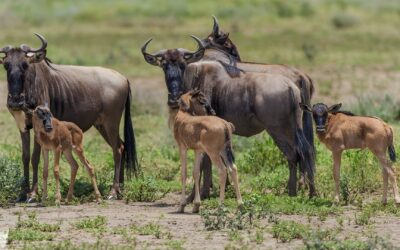
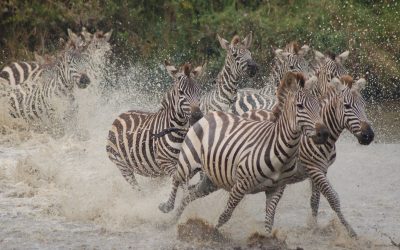
The Great Migration is the annual movement of over 1.5 million wildebeest and hundreds of thousands of zebras across the Serengeti and Maasai Mara.
- June to October: River crossings at the Mara River.
- January to February: Calving season in the southern Serengeti.
What are the accommodation options?
- Budget: Campsites and basic lodges.
- Mid-range: Comfortable lodges and tented camps.
- Luxury: High-end lodges with premium amenities.
Can I combine a safari with a Zanzibar beach holiday?
Absolutely! Many travelers end their safari with a relaxing beach retreat in Zanzibar, known for its white sandy beaches and turquoise waters.
What is the food like on safari?
Most lodges and camps offer buffet-style meals with a mix of local and international cuisine. Special dietary requests can usually be accommodated.
How long should my safari be?
A 5–10 day safari is ideal for visiting multiple parks and maximizing wildlife encounters.
Would you like me to refine or expand any section?