Safari Overview
Witness a once-in-a-lifetime photographic safari through Tanzania’s most celebrated wildlife spectacle—the Great Migration. This safari follows the thrilling movement of over 1.5 million wildebeest and thousands of zebra across the vast Serengeti plains, offering stunning photographic opportunities of predators in action, dramatic river crossings, and breathtaking landscapes.
Expert guides will lead you through the best vantage points, ensuring optimal lighting and angles for capturing unforgettable moments.
Safari Route Map
Your journey will take you through:
Arusha (Arrival)
Tarangire National Park
Serengeti National Park
Ngorongoro Conservation Area
Return to Arusha (Departure)
Safari Schedule
Day 1: Arrival in Arusha
Day 2–5: Central & Southern Serengeti (Ndutu Region)
Day 6–9: Western & Northern Serengeti (Grumeti & Mara Rivers)
Day 10–11: Ngorongoro Crater & Return to Arusha
Day 12–13: Departure & Optional Add-ons
Important Note
Request Quote
Tanzania Safari General FAQs
When is the best time to go on a safari in Tanzania?
The best time depends on your priorities:
- June to October: Dry season, ideal for wildlife viewing as animals gather around water sources.
- January to February: Calving season in the Serengeti, offering incredible predator-prey interactions.
- March to May: Rainy season, fewer crowds, but some roads may be challenging.
What are the top national parks to visit?
Tanzania is home to several iconic parks:
- Serengeti National Park: Famous for the Great Migration and Big Five.
- Ngorongoro Crater: Dense wildlife populations in a unique volcanic setting.
- Tarangire National Park: Known for its elephant herds and baobab trees.
- Lake Manyara National Park: Great for birdwatching and tree-climbing lions.
- Ruaha National Park: Offers a more remote, rugged safari experience.
Do I need a visa to enter Tanzania?
Yes, most travelers require a visa. You can obtain one on arrival at the airport or apply online in advance. Tourist visas are typically valid for up to 90 days.
What vaccinations are required for Tanzania?
Recommended vaccinations include:
- Yellow fever (required if arriving from an at-risk country)
- Hepatitis A & B
- Typhoid
- Routine vaccines (MMR, tetanus, polio)
What should I pack for a safari?
- Lightweight, neutral-colored clothing
- Binoculars and a 300mm+ telephoto lens for photography
- Sunscreen, insect repellent, and a hat
- Comfortable hiking shoes
- Extra camera batteries and memory cards
How much does a Tanzania safari cost?
Safari costs vary based on accommodation, season, and itinerary:
- Budget safari: $200–$400 per day
- Mid-range safari: $400–$800 per day
- Luxury safari: $800+ per day
Is Tanzania safe for safaris?
Yes, Tanzania is generally safe for tourists. Follow these precautions:
- Use reputable safari operators.
- Avoid walking alone at night in cities.
- Keep valuables secure.
- Follow park regulations and guide instructions.
What wildlife can I expect to see?
Tanzania is home to the Big Five (lion, elephant, buffalo, leopard, and rhino), along with giraffes, zebras, cheetahs, hippos, crocodiles, and countless bird species.
What type of safari vehicles are used?
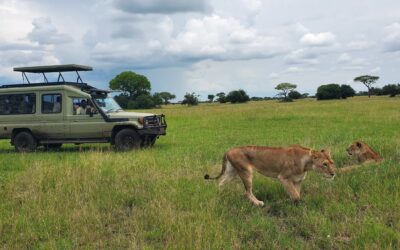
Most safaris use 4x4 Land Cruisers with pop-up roofs for optimal wildlife viewing and photography.
Can I do a self-drive safari?
While possible, self-drive safaris are challenging due to rough terrain and navigation difficulties. Hiring a professional guide is highly recommended.
What is the Great Migration, and when can I see it?
The Great Migration is the annual movement of over 1.5 million wildebeest and hundreds of thousands of zebras across the Serengeti and Maasai Mara.
- June to October: River crossings at the Mara River.
- January to February: Calving season in the southern Serengeti.
What are the accommodation options?
- Budget: Campsites and basic lodges.
- Mid-range: Comfortable lodges and tented camps.
- Luxury: High-end lodges with premium amenities.
Can I combine a safari with a Zanzibar beach holiday?
Absolutely! Many travelers end their safari with a relaxing beach retreat in Zanzibar, known for its white sandy beaches and turquoise waters.
What is the food like on safari?
Most lodges and camps offer buffet-style meals with a mix of local and international cuisine. Special dietary requests can usually be accommodated.
How long should my safari be?
A 5–10 day safari is ideal for visiting multiple parks and maximizing wildlife encounters.
Would you like me to refine or expand any section?
Great Migration General FAQs
What is the Serengeti Wildebeest Migration?
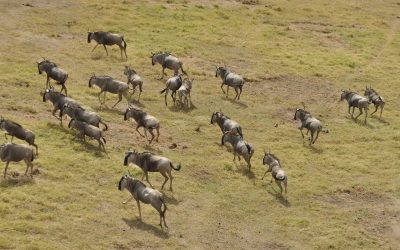
The Great Migration is the annual movement of over 1.5 million wildebeest, accompanied by zebras and gazelles, across the Serengeti (Tanzania) and Maasai Mara (Kenya) in search of fresh grazing.
When does the migration occur?
The migration is a year-round cycle, but the most dramatic events—like river crossings—happen between June and October.
Why do wildebeest migrate?
They follow seasonal rainfall patterns, moving in search of nutrient-rich grasslands and water.
How far do wildebeest travel during migration?
The herds cover over 800 km (500 miles) annually in a circular route.
What are the main highlights of the migration calendar?
- Calving season (Jan–Mar) in Ndutu, Southern Serengeti.
- Grumeti River crossings (May–July).
- Mara River crossings (July–October).
- Return to Serengeti (Nov–Dec).
What predators hunt migrating wildebeest?
Lions, cheetahs, hyenas, leopards, and crocodiles at river crossings.
How dangerous are the river crossings?
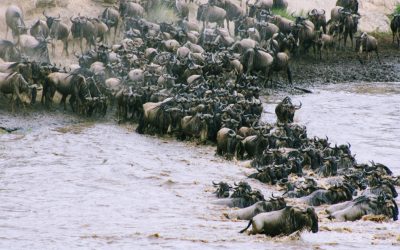
Thousands of wildebeest perish due to strong currents, crocodile attacks, and stampedes.
How do wildebeest know where to migrate?
They rely on instinct, weather patterns, and the movement of zebras, which have better memory for routes.
What animals are involved in the Serengeti migration?
The Serengeti Great Migration is one of the most spectacular wildlife events on Earth, involving a vast array of animals moving across the Serengeti-Mara ecosystem. The key species include:
Primary Migratory Species
- Wildebeest (Connochaetes taurinus) – Over 1.5 million wildebeest dominate the migration, moving in search of fresh grazing.
- Zebras (Equus quagga) – Around 250,000 zebras accompany the wildebeest, helping them navigate migration routes.
- Thomson’s Gazelles (Eudorcas thomsonii) – Approximately 300,000 gazelles follow the herds, benefiting from the safety of numbers.
Predators Following the Migration
- Lions (Panthera leo) – The Serengeti has one of the highest lion populations, preying on migrating herbivores.
- Cheetahs (Acinonyx jubatus) – Known for their speed, cheetahs target young or weak wildebeest and gazelles.
- Hyenas (Crocuta crocuta) – Opportunistic hunters and scavengers, hyenas thrive during migration.
- Leopards (Panthera pardus) – Stealthy predators that ambush prey, often targeting gazelles and young wildebeest.
- Crocodiles (Crocodylus niloticus) – Lurking in rivers, crocodiles ambush wildebeest during dramatic crossings.
Other Notable Species in the Migration Ecosystem
- Buffaloes (Syncerus caffer) – Though not part of the migration, they coexist in Serengeti’s grasslands.
- Elands (Taurotragus oryx) – The largest antelope species occasionally moves with the herds.
- Giraffes (Giraffa camelopardalis tippelskirchi) – Often seen near migration routes, feeding on acacia trees.
- Hippos (Hippopotamus amphibius) – Found in rivers where wildebeest cross, adding to the drama.
- Rhinos (Diceros bicornis) – Rare but present in protected areas of Serengeti.
This dynamic movement of herbivores and predators creates a thrilling survival spectacle, making the Serengeti migration one of the most photographed and studied wildlife events in the world! 🦓🐆🐊
Would you like details on specific migration phases or best locations to witness it?
What is the best time to witness the migration major events?
The best time to witness the Serengeti Great Migration major events are:
1. Calving Season (January–March) – Southern Serengeti & Ndutu Plains
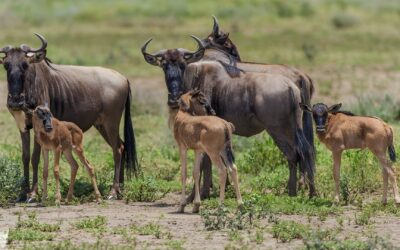
- Over 500,000 wildebeest calves are born in a short span, attracting predators like lions and cheetahs.
- Best for photography and predator action.
- Ideal for witnessing newborns taking their first steps.
2. Grumeti River Crossings (May–July) – Western Serengeti
- Wildebeest begin their northward journey, crossing the Grumeti River, where crocodiles lie in wait.
- Best for early migration movement and predator-prey interactions.
3. Mara River Crossings (July–October) – Northern Serengeti & Maasai Mara
- The most dramatic and intense migration event, as thousands of wildebeest plunge into the crocodile-infested Mara River.
- Best for thrilling action and large herd movements.
- Peak season for safari tourism.
4. Return to Serengeti (November–December) – Central Serengeti
- Wildebeest begin their southward journey, returning to the Serengeti plains for fresh grazing.
- Best for observing herd movements and scattered predator activity.
Each phase offers unique experiences, so the best time depends on what you want to see!
How do wildebeest survive predators?
They rely on large numbers, speed, and group movement for protection.
What impact does the migration have on the ecosystem?
It fertilizes grasslands, supports predator populations, and maintains Serengeti’s ecological balance.
Can tourists witness the migration up close?
Yes! Safari tours offer game drives, hot air balloon safaris, and guided walks
What is the biggest challenge for migrating wildebeest?
Crossing crocodile-infested rivers and surviving droughts.
Is the migration affected by climate change?
Yes, changing rainfall patterns can alter migration timing and routes.
Safari Pricing Terms of Service
Included in the Safari Price:
✔ Meet and greet services upon arrival and departure at the airport.
✔ Full-board accommodation during the safari (Luxury, Standard, or Budget based on package selection).
✔ Private safari guide (English as the standard language; additional language guides available upon request).
✔ Round-trip transfers between the international airport and safari destinations.
✔ National park entry fees.
✔ All meals throughout the safari experience.
✔ Safari vehicles equipped with:
- Ice chest stocked with mineral water.
- Wildlife guidebook for reference during game drives.
- Karibuni welcome packet with useful information for guests.
✔ Government taxes, VAT, and service charges related to accommodation and meals.
✔ Domestic flight to Zanzibar for package with Zanzibar Extension
✔ Any additional special services requested will be included in the final itinerary package.
Not Included in the Safari Price:
✖ Tanzania Visa Fees:
- $50 per person on arrival.
- USA and Canada passport holders: $100 per person.
✖ Personal Expenses:
- Laundry, telephone calls, alcoholic & non-alcoholic beverages, souvenirs, etc.
✖ Meals not specified in the itinerary.
✖ Domestic flights, unless explicitly mentioned in the itinerary.
✖ Optional/Add-on Tours:
- Hot air balloon ride: $500 per person.
- Other optional excursions available upon request.
✖ Tips and gratuities for guides, drivers, local people for cultural tours and hotel staff.
✖ Any items of a personal nature not listed in the inclusions.